
The Hidden Home Repair Gap for Vulnerable Residents in Sutton
The Hidden Home Repair Gap for Vulnerable Residents in Sutton
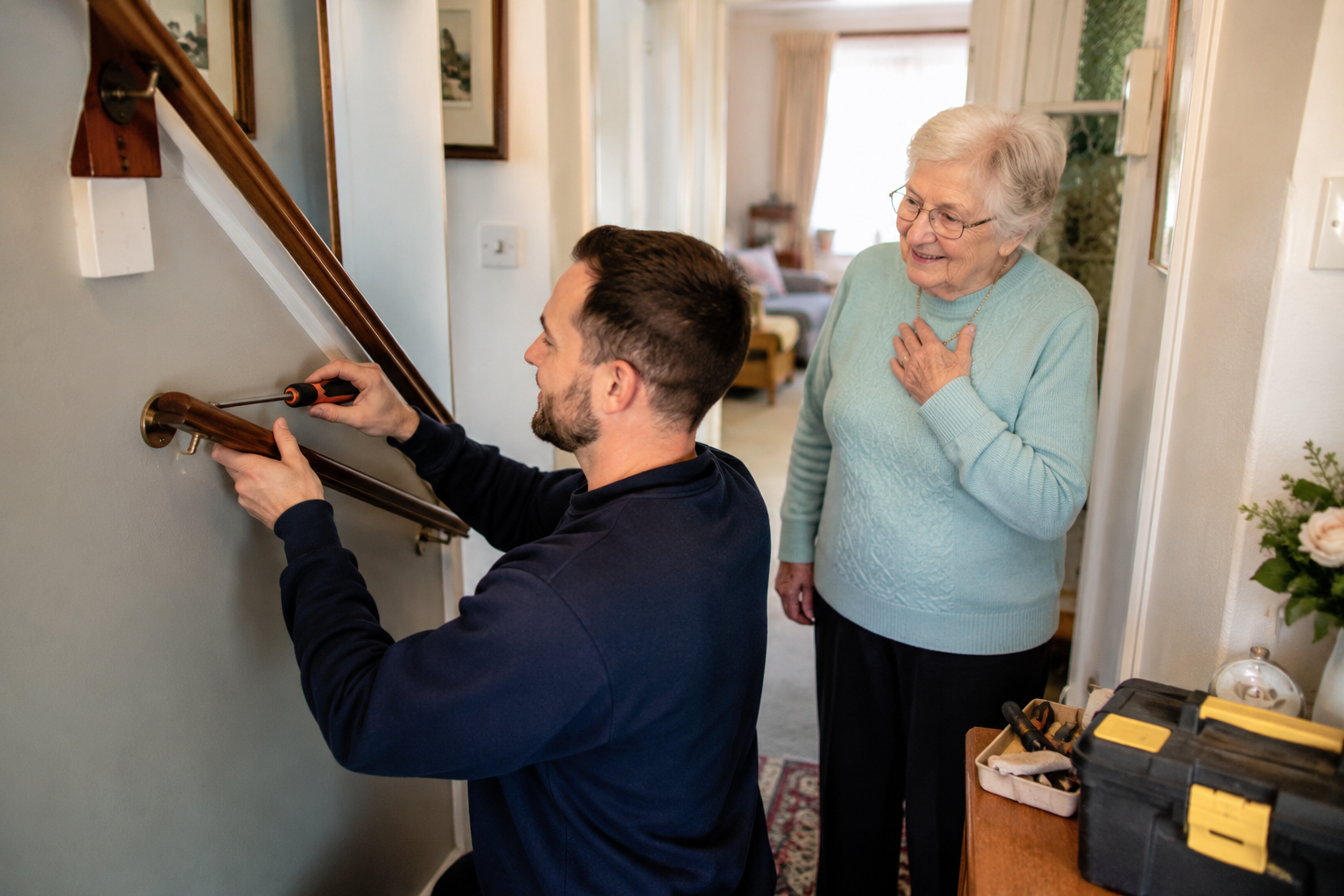
Small repair jobs can become serious problems when someone is older, disabled, isolated or simply unable to afford the help they need. In Sutton, that gap may be bigger than many people realise.
A loose stair rail. A broken garden step. A door that no longer closes properly. A damaged fence that makes someone feel unsafe. A leaking tap, a trip hazard, a room that has slowly become difficult to use.
For many households, these are jobs that get booked in and fixed.
For some vulnerable residents in Sutton, they are not.
They are put off. Lived with. Worked around. Sometimes for months, sometimes for years.
And while each repair may look small on paper, the impact often is not.
Sutton has a significant number of residents who may struggle with home repairs
Sutton is often seen as a relatively comfortable outer London borough, but the local picture is more mixed.
The latest Sutton Strategic Needs Assessment estimates that:
- 18% of Sutton residents live in poverty
- 25% of children in the borough live in poverty
- 10% of Sutton households were experiencing fuel poverty in 2020, rising to over 20% in some neighbourhoods
- 11.9% of households in Sutton consist of one adult aged over 65 living alone
- 16% of Sutton residents are estimated to have a disability
ONS Census data also shows that in 2021:
- 6.4% of Sutton residents were disabled and limited a lot in day-to-day activities
- 8.9% were disabled and limited a little (Office for National Statistics)
That is a large number of local people who may find it harder to arrange, afford or physically manage repairs at home.
The jobs that fall through the cracks
There is already valuable support in Sutton through local charities, volunteer groups and statutory services. But there is a practical middle ground that can be difficult to cover.
Some jobs are:
- Too large or skilled for a volunteer-led task
- Too small for a formal contractor to prioritise
- Not urgent enough to trigger crisis support
- Still too expensive for the resident to pay for privately
That could include:
- Replacing damaged internal doors or locks
- Repairing rotten or unsafe timber steps
- Fixing minor flooring trip hazards
- Making a garden path safer
- Small plastering or decorating jobs after leaks or damage
- Repairing fencing or gates that affect security
- Clearing and making safe neglected outdoor areas
- Minor maintenance that prevents a home from becoming harder to live in
These are not always “emergency” jobs. But for an older person living alone, someone with limited mobility, a disabled resident, or a household under financial pressure, they can have a serious effect on daily life.
Poor housing conditions affect health, confidence and independence
The condition of someone’s home is not just a housing issue. It is a wellbeing issue.
Sutton’s own assessment links cold homes and fuel poverty to poorer health outcomes, noting that older residents, disabled people and children may be especially at risk. It also highlights that more than one in five excess winter deaths in England and Wales are attributable to the coldest 25% of housing.
Nationally, the Centre for Ageing Better has warned that millions of older people with health conditions are living in poor-quality housing, with problems such as damp, decay and disrepair potentially worsening their health. (The Guardian)
In Sutton, the ageing and disability picture also matters. Local data projects that by 2040:
- The number of over-65s living with lower-level limiting illness will rise from 7,604 to 10,727
- The number living with severely limiting illness will rise from 6,517 to 9,377 (data.sutton.gov.uk)
That means the need for homes to remain safe, manageable and well maintained is likely to grow.
Why small home repairs matter
A small repair can mean:
- An older resident feels safe using their stairs again
- A disabled person can move more comfortably around their home
- A household avoids a small issue turning into a more costly repair
- Someone feels less embarrassed or overwhelmed by their living conditions
- A vulnerable resident feels seen, supported and less isolated
It is easy to underestimate these interventions because they are not always dramatic. But they are often the difference between a home feeling manageable and a home slowly becoming a source of stress, risk or decline.
The opportunity for Sutton
There is a strong case for a locally focused home repair support pathway in Sutton that sits between informal volunteering and full commercial work.
A practical scheme could:
- Take referrals from charities, community groups and local services
- Prioritise residents who are older, disabled, vulnerable or financially stretched
- Deliver small-to-medium home repairs that are outside volunteer capacity
- Use grant funding, donations or subsidised models to keep costs low
- Prevent problems becoming more serious, expensive or harmful over time
This is the gap SPRAI C.I.C. is working to address.
Our aim is simple: to help vulnerable residents in Sutton live in homes that are safer, more dignified and easier to manage, through practical repair and improvement work that might otherwise go undone.
A borough-level issue that needs local solutions
Sutton has thousands of residents who are older, living alone, disabled, in poverty or facing financial pressure. Not all will need help with home repairs. But many will.
And when support is unavailable, “small” jobs can sit there until they become safety issues, health issues or crisis issues.
The case for acting earlier is strong.
Not every problem needs a major intervention. Sometimes it needs someone trustworthy, skilled and community-minded to turn up and fix what has been left unfixed for too long.
Contact Us at www.sprai.uk